

Back to School, Back to Healthy Routines
Published on: September 8, 2026
By Marina Tonial, MPH, CHES®, Community Health Educator
September is here, and with it comes the familiar rush of new schedules, early alarms, and packed lunches. Whether you’re sending off a kindergartener or a high schooler, the return to school is a great moment to reset healthy habits for the whole family. Here’s a quick roundup to help your household start the year strong.
When to Keep Your Child Home
One of the trickiest calls caregivers face is whether a child is too sick for school. A good rule of thumb: keep your child home if they have a fever of 100.4°F or higher, are vomiting or have diarrhea, or seem too unwell to take part in the day. The CDC recommends that children stay home until they have been fever-free for a full 24 hours — without the help of fever-reducing medicine — and their symptoms are improving overall.
Common colds, mild coughs, and the sniffles usually don’t require a day off, as long as your child feels well enough to participate. When in doubt, check with your school nurse or your child’s healthcare provider. They can help you decide and let you know about anything going around.
Staying home isn’t always simple, especially for working parents and caregivers. If a sick day is hard to manage, your school nurse can be a helpful partner, and it’s worth having a backup plan in place before you need it. Keeping a sick child home isn’t just about their recovery — it also helps protect classmates, teachers, and your wider community from illness.
Fueling Growing Bodies and Minds
Nutritious food and regular activity make a real difference in how kids feel, focus, and learn. Healthy choices don’t have to be expensive or complicated — a few simple habits go a long way:
- Start with breakfast. A morning meal with protein and whole grains helps kids concentrate and keeps energy steady through the school day. If mornings are rushed, many Cape schools offer breakfast, and school meals are free for all Massachusetts students, regardless of income.
- Keep it colorful and affordable. Fruits and vegetables, whole grains, and a source of protein beat processed snacks for lasting energy. Frozen and canned options (look for low-sodium and no-added-sugar) count just as much as fresh and often cost less.
- Keep water handy. A reusable water bottle encourages kids to stay hydrated instead of reaching for sugary drinks.
- Get moving. The CDC recommends that children and teens ages 6 to 17 get at least 60 minutes of physical activity a day. It doesn’t have to happen all at once — walking or biking to school, recess, after-school play, and family walks all add up.
- Protect sleep. According to the American Academy of Pediatrics, school-age children need 9 to 12 hours of sleep a night, and teens need 8 to 10. An earlier, consistent bedtime helps everyone handle the mornings.
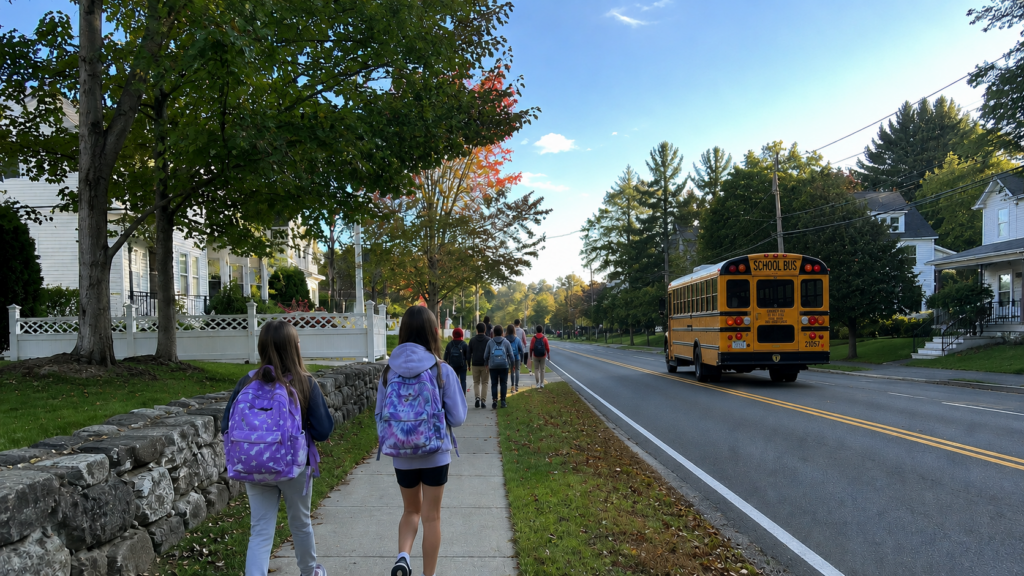
Safety on the Way to School
More kids on the move means it’s a good time to review the basics:
- Walking and biking: Review safe routes, crosswalks, and traffic signals together. Bike helmets should fit snugly and be worn every ride.
- Bus safety: Remind kids to wait for the bus to fully stop, stay clear of the road while boarding, and stay seated during the ride.
- Backpacks: The American Academy of Pediatrics advises that a loaded backpack weigh no more than 10 to 15% of a child’s body weight. Both straps on, worn over both shoulders, helps protect growing backs.
- Drivers: As routines shift, stay alert in school zones and around bus stops, especially during the busy early-morning and afternoon hours.
Who to Reach Out To
You don’t have to figure it all out alone. Your school nurse is a great first stop for health questions during the school day. Your child’s healthcare provider can help with checkups, vaccines, and ongoing concerns. If your family doesn’t have a regular provider, your school nurse or town health department can help point you toward local resources.
Here’s to a healthy, happy start to the school year!
Sources
Legal Disclaimer:
EIN Presswire provides this news content "as is" without warranty of any kind. We do not accept any responsibility or liability for the accuracy, content, images, videos, licenses, completeness, legality, or reliability of the information contained in this article. If you have any complaints or copyright issues related to this article, kindly contact the author above.
